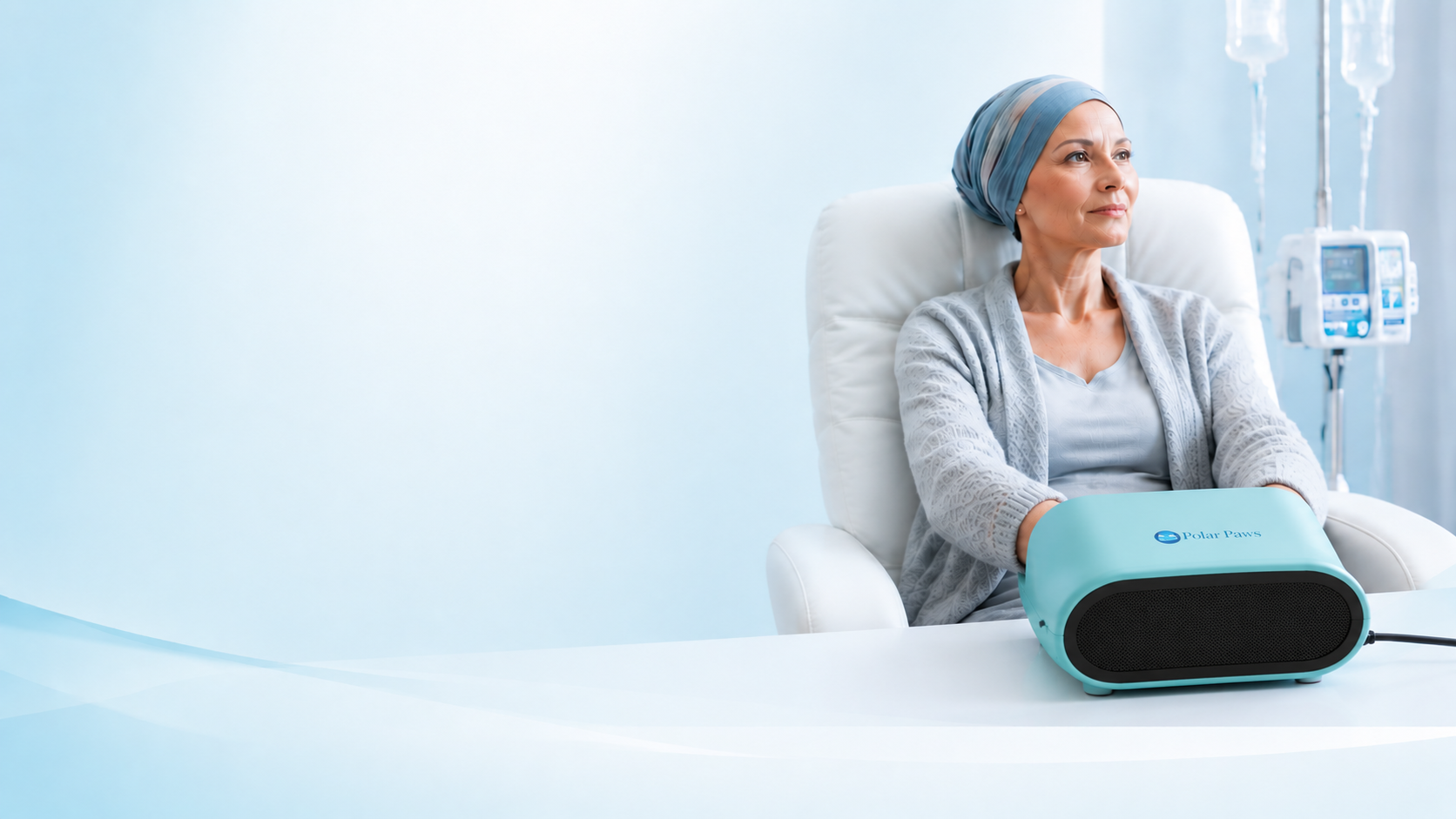

Innovation for Better Cancer Care
Helping Improve the Chemotherapy Experience Through Cooling Innovation
Every year, millions of people undergo chemotherapy, and some develop chemotherapy-induced peripheral neuropathy (CIPN), a condition that can affect sensation, mobility, and quality of life.
Inspired by a physician's personal cancer journey and guided by emerging research, Polar Paws was developed to support cooling therapy during chemotherapy and improve the patient experience.
Explore the science, the story, and the innovation behind Polar Paws.
Designed for Modern Infusion Centers

Inspired by Clinical Experience
Evidence-Informed
Patient-Centered Innovation

The Challenge
More Than Cancer Treatment
Protecting Quality of Life Matters
Surviving cancer is only part of the journey. Chemotherapy-induced peripheral neuropathy (CIPN) can have a lasting impact on mobility, independence, and quality of life. That's why Polar Paws is dedicated to supporting innovations that help improve the patient experience during treatment.
Up to
80%
of patients receiving chemotherapy are affected by chemotherapy-induced peripheral neuropathy (CIPN)


Numbness
Pain


Difficulty with Daily Activities
Loss of Balance
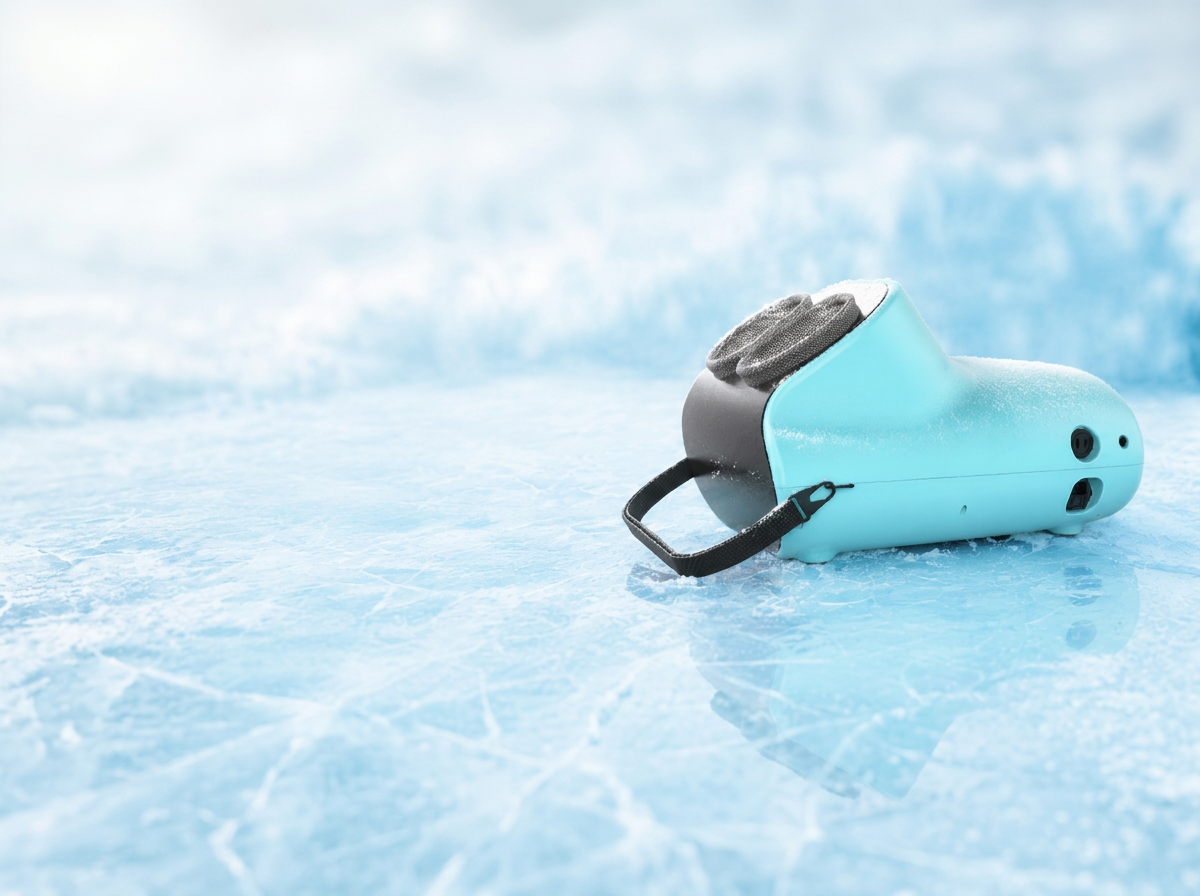
The Science Behind Cooling
Cryotherapy is one of the most promising areas of research for reducing the risk of chemotherapy-induced peripheral neuropathy (CIPN). Cooling can help protect peripheral nerves through two key mechanisms:
Reduced Blood Flow

Temporary vasoconstriction may reduce the amount of chemotherapy reaching peripheral nerves.
Slower Cellular Metabolism

Cooling may temporarily slow cellular activity, making nerve cells less susceptible to chemotherapy during treatment.
Current research is encouraging, and clinical studies continue to evaluate cryotherapy as a supportive approach for helping protect nerve health.
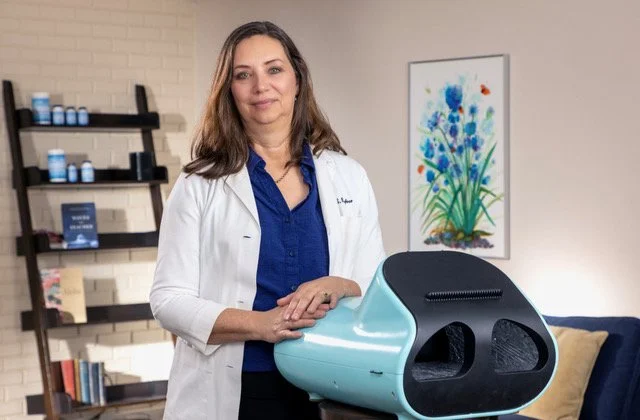
An Innovation Born From Experience
Our Story
After experiencing chemotherapy herself, breast surgeon Dr. Constanze Rayhrer was inspired to explore ways to help reduce the risk of neuropathy.

Guided by emerging cryotherapy research and her firsthand perspective as both physician and patient, she founded Polar Paws to help improve the chemotherapy experience.

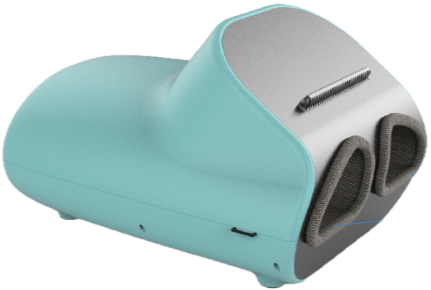
Introducing Polar Paws. Designed Around the Needs of Patients
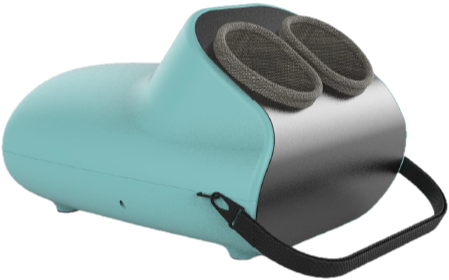
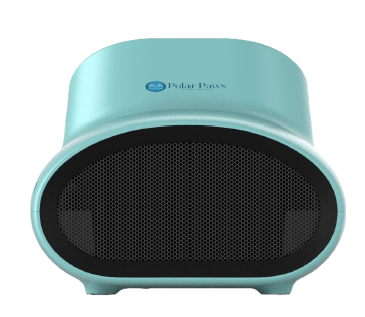
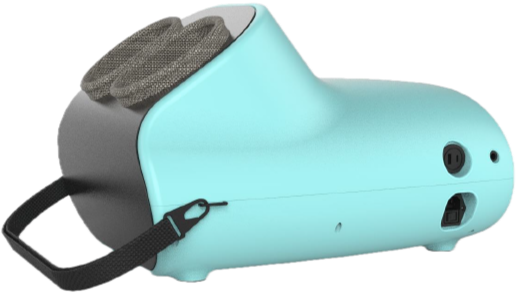
Polar Paws is an innovative cooling system created to support cryotherapy during chemotherapy.
Every aspect of its development has been guided by four principles:

Comfort
Simple to use in infusion centers.
Patient-First Purpose
Designed with the patient experience in mind.
Clinical Worktiow
Engineered to deliver controlled cooling throughout treatment.
Consistent Cooling
Inspired by real clinical needs.

Built on Research. Driven by Purpose.

Innovation should never outpace evidence. That is why Polar Paws is committed to following the evolving science of chemotherapy-induced peripheral neuropathy.
Our approach is informed by published clinical research, collaboration with healthcare professionals, and a commitment to continuous learning.
We recognize that science evolves, and we believe patients deserve information that is transparent, balanced, and evidence-based.
Learn More About Chemotherapy-Induced Peripheral Neuropathy
Polar Paws focuses on innovation. The Foundation for the Prevention of Neuropathy focuses on education. Together, they share a common goal: helping patients better understand chemotherapy-induced peripheral neuropathy and supporting continued progress in prevention research.
If you're looking for trusted educational resources, downloadable patient guides, research summaries, and practical information about living with CIPN, we invite you to visit the Foundation.

Looking Toward the Future
Cancer treatment continues to evolve. Supportive care should evolve with it.
At Polar Paws, we believe innovation is not only about creating new technology, it is about improving the lives of the people who use it.
Every patient deserves access to compassionate care, trusted information, and continued scientific progress.
That belief continues to inspire everything we do.

Have questions about Polar Paws, our technology, or the science behind cooling therapy? We'd love to hear from you.